Why the 150th Westminster Dog Show Matters for Competitors
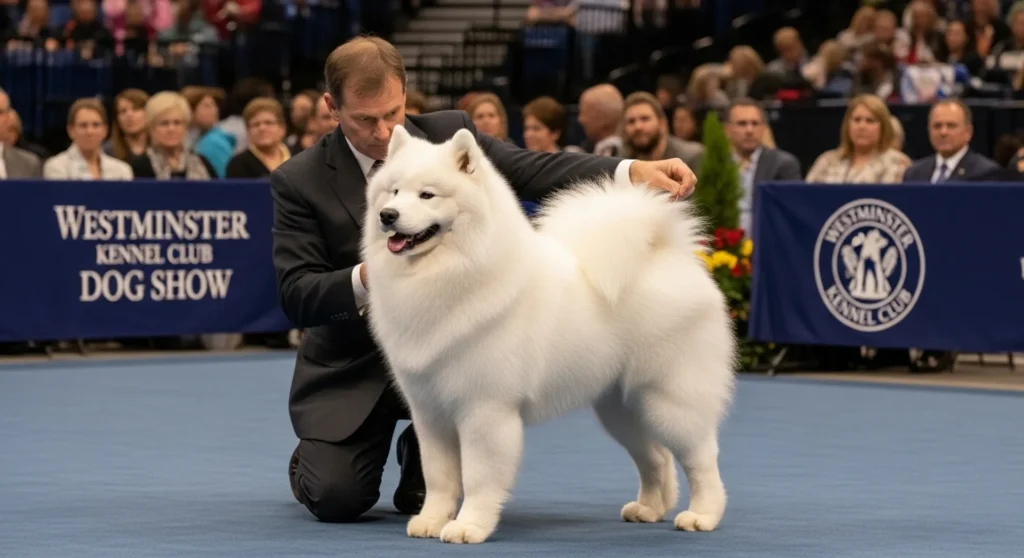
The Westminster Kennel Club Dog Show has stood as the pinnacle of canine competition since 1877. This year marks a historic milestone — the 150th anniversary of America’s most prestigious dog show. For handlers, breeders, and dog enthusiasts preparing their companions for major competitions, understanding what makes this event special can provide valuable insights for your own show journey.
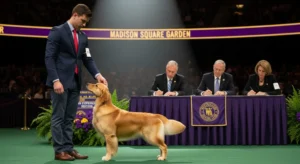
The sesquicentennial celebration will take place January 31 and February 2-3, 2026, at two iconic New York City venues. Breed competitions and the Masters Agility Championship will be held at the Jacob K. Javits Convention Center, while the Group judging and Best in Show finals return to Madison Square Garden — the original home of Westminster.
Understanding the Westminster Entry Process
Competing at Westminster is not as simple as submitting an online entry form. The club maintains an entry limit of approximately 2,500 dogs, making the selection process highly competitive. Understanding this process can help you set realistic goals and develop a long-term strategy for your show dog career.
The Invitation System
For each breed, Westminster invites the top five nationally ranked dogs along with that year’s National Specialty winner. The remaining spots are filled through a lottery-based system. Successful entries receive what handlers affectionately call the “golden ticket” — an unmistakable envelope that confirms your dog’s place in the competition.
Qualification Requirements
To be eligible for Westminster, your dog must be an American Kennel Club breed champion or have acquired the required 15 points and two major wins at AKC-sanctioned dog shows.
What Makes the 150th Anniversary Show Unique
This milestone event will feature several elements that set it apart from previous years. Over 3,000 champion dogs representing all 50 states, the District of Columbia, Puerto Rico, and 17 additional countries will compete for the coveted Best in Show title.
Westminster Legends Presentation
For the first time in Westminster history, the show will host a Westminster Legends presentation. Past Best in Show winners, including the 2025 champion Monty the Giant Schnauzer and the 2020 winner Siba the Standard Poodle, will return to the ring at Madison Square Garden. This tribute to canine excellence offers current competitors the rare opportunity to see legendary show dogs up close.
The Judging Panel
The 150th anniversary judging panel represents excellence across all facets of the sport. Two-time Best in Show-winning Pekingese breeder-owner-handler David Fitzpatrick will serve as the Best in Show judge. His history with Westminster spans over 55 years, and his dogs have won Best in Show in 2012 and 2021. Seven highly respected group judges will evaluate competitors across the Sporting, Hound, Working, Terrier, Toy, Non-Sporting, and Herding groups.
Preparing Your Show Dog for Major Competitions
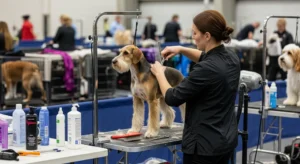
Whether you are targeting Westminster or any major competition, preparation remains the key to success. The principles that guide top handlers apply equally to local shows and national events.
Physical Conditioning
Show dogs require peak physical condition to perform their best in the ring. This means maintaining proper weight, muscle tone, and coat health months before competition. Work with your veterinarian to develop a health and fitness plan tailored to your dog’s breed and individual needs.
Regular exercise should include both cardiovascular activity and muscle-building exercises appropriate for your breed. For bully breeds and other muscular dogs, controlled exercise sessions help develop the powerful physique that judges expect to see.
Ring Training and Behavior
Judges at major shows want to see dogs that enjoy being in the ring. A dog that appears timid, scared, or uncomfortable will struggle to make a positive impression regardless of its physical qualities. Consistent training that builds confidence is essential for success.
Practice the specific movements required in confirmation showing — gaiting at the proper speed, stacking in the correct position, and standing calmly for examination. Your dog should be comfortable with strangers approaching and touching them, as this is a standard part of the judging process.
Socialization and Exposure
Major shows like Westminster expose dogs to overwhelming stimuli — crowds, noise, other animals, and unfamiliar environments. Dogs that have experienced similar situations through proper early socialization handle the pressure much better than those encountering such environments for the first time.
Take your dog to as many different environments as possible before major competitions. Visit busy public places, attend smaller shows, and expose them to the sights and sounds they will encounter at larger events.
Understanding What Judges Evaluate
At Westminster and other prestigious shows, judges evaluate dogs against the AKC breed standard rather than directly against each other. Understanding what judges look for can help you identify your dog’s strengths and areas that need improvement.
Conformation and Structure
Judges assess how closely a dog conforms to the ideal physical characteristics described in its breed standard. This includes overall proportion, bone structure, head shape, ear set, and countless other physical details specific to each breed. Working with experienced breeders and handlers can help you understand how your dog measures up and which features to emphasize during presentation.
Movement and Gait
How a dog moves reveals much about its structure and soundness. Judges watch for smooth, effortless movement that demonstrates proper joint function and correct anatomy. Practice gaiting your dog at various speeds to find the pace that shows off their movement best.
Temperament and Presence
The best show dogs possess an intangible quality often called “presence” — they carry themselves with confidence and seem to know they are being watched. This quality is partly innate and partly developed through positive training experiences.
Lessons from Westminster for Every Competitor
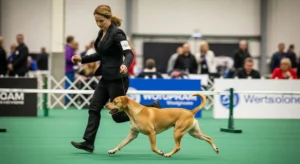
Even if Westminster remains a distant goal, the principles that guide competitors at the highest level apply to shows at every level. Successful showing requires skill from both ends of the leash. Invest time in developing your handling technique through classes, mentorship, and practice. Understanding proper ring procedure and dog show etiquette will help you present your dog effectively while avoiding common mistakes.
No handler succeeds alone. Connect with experienced breeders, join breed clubs, and learn from those who have achieved the goals you are working toward. The path to becoming a champion involves many shows, much learning, and occasional disappointment — but each show provides an opportunity to improve.
The Broader Impact of Major Dog Shows
Events like Westminster serve purposes beyond crowning champions. They celebrate the bond between humans and dogs, promote responsible breeding practices, and educate the public about different breeds. The Westminster Kennel Club has advocated for purpose-bred dogs and responsible ownership since its founding. For competitors, participating in this tradition connects you to over a century of canine history. Whether you are making your mark in the show dog world or just beginning your journey, understanding this heritage adds meaning to every competition.
Final Thoughts
The 150th Westminster Kennel Club Dog Show represents the pinnacle of a tradition that has persevered through world wars, economic depressions, and a global pandemic. For those preparing their own dogs for competition, Westminster offers both inspiration and practical lessons. The same dedication to health, training, and presentation that defines Westminster champions applies equally to every level of competition. Start with solid foundations, commit to continuous improvement, and remember that success in the show ring reflects the bond you build with your dog every day.