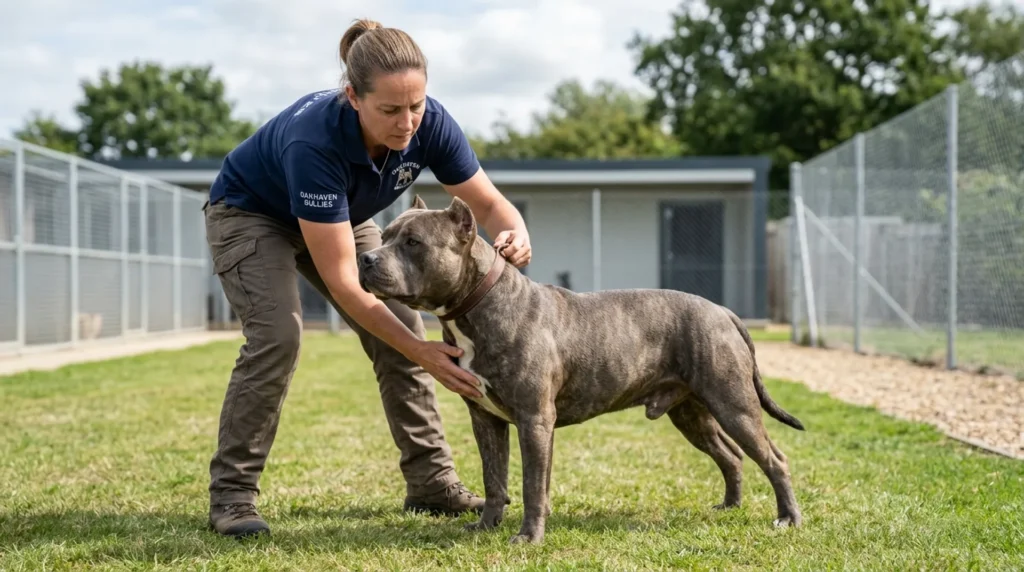
The American Bully is known for its powerful build, confident temperament, and strong loyalty. Over the years, the breed has gained popularity among dog enthusiasts and show dog communities around the world. However, like many purebred dogs, American Bullies can be prone to certain health conditions if breeding practices are not handled responsibly.
Responsible breeders play an essential role in maintaining the health and quality of the breed. Through proper health testing, ethical breeding practices, and careful genetic selection, many potential issues can be reduced or avoided entirely. Understanding these health concerns can help both breeders and owners make better decisions for the long-term well-being of their dogs.
Why Responsible Breeding Matters
Responsible breeding focuses on improving the overall health, structure, and temperament of the American Bully. Instead of prioritizing appearance or size alone, ethical breeders consider the long-term impact of genetics and health history.
Organizations such as the United Kennel Club emphasize breed standards and responsible breeding practices to preserve the health and structure of American Bullies.
Breeders who prioritize health typically perform screenings, research bloodlines, and carefully pair dogs to reduce inherited medical risks. These steps are essential for producing healthy puppies that meet breed standards while maintaining strong genetics.
Common Health Issues In American Bullies
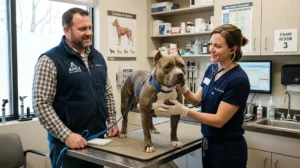 While many American Bullies live healthy lives, some conditions appear more frequently within the breed. Being aware of these potential issues allows breeders and owners to take preventative measures.
Hip Dysplasia
Hip dysplasia is one of the most common orthopedic conditions in muscular dog breeds. It occurs when the hip joint does not develop properly, which can lead to discomfort, arthritis, or limited mobility over time.
According to the Orthopedic Foundation for Animals, screening breeding dogs for hip health is one of the most effective ways to reduce the risk of passing the condition to future generations.
Responsible breeders often perform hip evaluations before breeding and avoid pairing dogs that show signs of structural problems.
Skin Allergies
Skin allergies are another issue that can affect American Bullies. Some dogs may develop sensitivity to environmental allergens, certain foods, or grooming products.
Symptoms may include itching, redness, or irritated skin. While allergies are not always genetic, careful breeding and proper nutrition can help reduce the likelihood of recurring skin conditions.
Heart Conditions
Some bully breeds may be predisposed to heart-related conditions, including congenital heart disease. Responsible breeders typically work with veterinarians to evaluate heart health before breeding.
Early screening helps ensure that dogs with potential heart problems are not used in breeding programs.
Health Testing Before Breeding
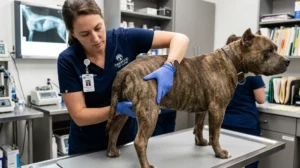 One of the most important steps responsible breeders take is performing health testing before breeding their dogs. These tests help identify genetic conditions that could affect future litters.
Genetic Screening
Genetic testing allows breeders to identify carriers of certain inherited conditions. By understanding a dog’s genetic profile, breeders can make informed decisions that minimize health risks in puppies.
Veterinary Evaluations
Routine veterinary evaluations are another critical part of responsible breeding. A full health exam may include:
- Hip and joint evaluation
- Heart screening
- Skin and coat assessment
- Overall physical condition check
Breeding dogs should only be selected if they meet strong health standards and demonstrate stable temperament.
The Role Of Nutrition And Care
Even with excellent genetics, proper care and nutrition are necessary to maintain a healthy American Bully. Balanced diets, regular exercise, and routine veterinary visits contribute to a dog’s long-term health.
Maintaining a healthy weight is especially important for muscular breeds because excess weight can increase stress on joints and bones.
Exercise should also be structured and appropriate for the dog’s age. Puppies should avoid excessive strain on developing joints, while adult dogs benefit from consistent physical activity.
Choosing A Responsible Breeder
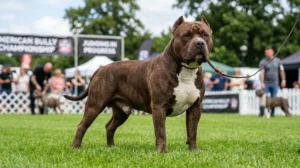 If you are considering adding an American Bully to your family, choosing the right breeder is one of the most important decisions you can make.
Responsible breeders typically:
- Provide health records for breeding dogs
- Conduct genetic and orthopedic testing
- Maintain clean and safe environments
- Prioritize temperament and structure
- Offer guidance for puppy care
You may also want to review our guide on training an American Bully for dog shows to better understand how structure and health contribute to show performance.
Long Term Health And The Future Of The Breed
The American Bully community continues to grow, and responsible breeding will remain critical for protecting the future of the breed. When breeders focus on health, temperament, and ethical practices, they help ensure that American Bullies remain strong, stable, and healthy companions.
Education also plays a major role. Owners who understand common health risks can work closely with veterinarians and breeders to give their dogs the best possible quality of life.
By prioritizing health testing, proper care, and ethical breeding decisions, both breeders and owners contribute to the continued improvement of the American Bully breed.